In the In the world of hospitals, where every beep and shuffle tells a story, there’s a tough truth that weighs on us nurses: 250,000 people die in hospitals every year because of mistakes. It’s a big number, but each one represents a real person with real dreams, loved ones, and stories.
As nurses, we’re there in the thick of it all. We see the ups and downs, the hope and the heartache. We’re there to hold hands and offer comfort, but we’re also part of a system that sometimes fails people.
It’s tough to hear that so many lives are lost because of mistakes. It’s like a heavy cloud hanging over our heads, making us wonder if we could have done more.
But even in the face of such sadness, there’s hope. We nurses are like frontline soldiers fighting against these mistakes. We work hard to keep our patients safe, to learn from our mistakes, and to make things better.
We need to talk about what goes wrong and figure out how to fix it. We need to make sure that patients and their families are part of the team, so they can help us catch mistakes before they happen.
But most importantly, we need to remember why we became nurses in the first place. It’s not just about giving medicine or doing procedures. It’s about being there for people when they’re scared, in pain, or just need someone to listen.
So, let’s keep doing our best, even when things get tough. Let’s honor the memories of those we’ve lost by working together to make things better. And let’s never forget that every life we touch is a chance to make a difference.
The commitment of healthcare providers to their patients is often unparalleled. They are the frontline warriors battling against diseases, injuries, and tragedies, striving to preserve life and alleviate suffering. However, amidst their noble dedication, a silent and somber reality persists: healthcare providers are sometimes compelled to sacrifice their own well-being, even their lives, due to a sense of loyalty or the absence of permission to leave their posts.
This commitment is not merely a job requirement but a deeply ingrained ethos that drives healthcare providers to brave exhaustion, stress, and personal sacrifice for the sake of those under their care.
However, within this noble pursuit of service lies a darker narrative. Many healthcare providers feel bound by a sense of loyalty to their patients and colleagues, even at the expense of their own well-being. They work extended shifts, forgo breaks, and ignore signs of burnout, driven by a deep-seated commitment to their profession and a desire to fulfill their duty to those in need.
Tragically, this devotion sometimes leads to dire consequences. Instances abound of healthcare providers succumbing to exhaustion, stress-related illnesses, and, in the most heartbreaking cases, death. These individuals, who dedicated their lives to healing others, find themselves victims of a system that often fails to prioritize their own health and safety.
One such heartbreaking story is that of Ashleigh Anderson, a CVS pharmacist who tragically lost her life due to the demands of her profession. Ashleigh’s story serves as a poignant reminder of the sacrifices made by healthcare providers every day. Despite facing immense challenges and personal struggles, Ashleigh remained dedicated to her patients, working tirelessly to ensure their well-being.
Ashleigh was only 41 years old when she experienced chest pain at work. No one was able to cover her if she left so she stayed and collapsed on the pharmacy floor and was unable to be resuscitated when help came.
Ashleigh’s death has become a rallying cry for change within the healthcare industry. Her story highlights the urgent need for better support systems, increased awareness of mental health issues, and policies that prioritize the well-being of healthcare workers. As we mourn the loss of Ashleigh and others like her, we must also honor their memory by advocating for meaningful reform and ensuring that no healthcare provider feels compelled to sacrifice their own well-being for the sake of their patients.
Moreover, in certain circumstances, healthcare providers may find themselves unable to leave their posts even when faced with imminent danger. During emergencies or disasters, when hospitals are inundated with patients and resources are stretched thin, providers may be prohibited from abandoning their duties, regardless of the risks involved. This lack of autonomy can leave them feeling trapped, and powerless to prioritize their own safety and well-being.
The issue of healthcare providers dying on the job due to loyalty or the inability to leave speaks to broader systemic challenges within the healthcare industry. It highlights the need for better support systems, both for individual providers and the healthcare infrastructure as a whole. Adequate staffing levels, access to mental health resources, and policies that prioritize the well-being of healthcare workers are essential steps toward addressing this pressing issue.
Furthermore, fostering a culture of empathy and compassion within healthcare institutions is crucial. Providers should feel empowered to prioritize self-care without fear of judgment or retribution. Organizations must recognize the humanity of their staff, acknowledging the sacrifices they make while ensuring they are not subjected to undue harm or exploitation.
Ultimately, the stories of healthcare providers who sacrifice their lives in the line of duty serve as a sobering reminder of the profound dedication and resilience that characterize the profession. Their sacrifices should not be in vain but should inspire meaningful change within the healthcare system, ensuring that the well-being of providers is as valued and protected as that of the patients they serve. As we honor their memory, let us also commit ourselves to creating a healthcare environment that upholds the dignity and safety of all who dedicate their lives to healing others.
With the continuing nursing shortage, it is estimated that one in four Hoosier nurses will be retiring by the end of the decade. This is happening in all states. Some states have chosen to provide $125 million to lure students into the profession. Other states provide a living allowance alongside child care benefits.
House Bill 1259 was introduced in Indiana and it cleared the senate and then will be voted on by the house. The previous law had a requirement that a nurse must have 18 months experience before they could mentor or teach other nurses. Shockingly, this language was removed. The thought was that the facility is in a better position to judge whether someone is ready to precept without 18 months experience is really scary. According to the only Nurse Practitioner in the Indiana legislature, a brand new nurse may not be ready to translate what they learned in the classroom into a real world scenario. The other legislators felt that it is up to the facility to pick the right person for the right situation. Obviously, they have never worked in healthcare.
The proposed legislation also discussed making it easier for foreign trained nurses. The Indiana Healthcare Association which is the for profit nursing home association has concerns about the proposed federal legislation for mandatory minimum staffing in long term care facilities. My position is if it is not legislated, the facilities will not do it. Therefore, mandatory minimum staffing and a length of time to practice before you can teach or precept is important.
I want to share a very personal journey with you. Eight years ago, I was planning to move to California. I did not have a law or nursing license there so I decided to take the California Bar Exam. I hired a coach and started studying. I was relearning subjects I had not looked at in 25 years! The California exam is all essay for attorneys and the pass rate was 32% at that time. Yikes! My coach kept saying “you can’t think like a lawyer to pass the bar.” I wondered how else can I think, it’s only been 25 years. I let the statistics and negative feedback get to me. I thought all the studying was taking me away from my clients, so I quit. I am not a quitter but I did. Was it really because of my clients? No. It was fear, plain old-fashioned fear because what if I failed? I would be embarrassed and ashamed. I had already failed by quitting.
However, last year my son passed the Indiana bar and we decided to study together to take the California Bar. This time was different. Why? Because of my mindset. I did not let the low pass rate and negative feedback on my essays derail me. I persevered. Having a study buddy really helps! However, I realized that I still was not telling anyone for fear that I might fail.
When you undertake a project (business), you have to be committed whatever it takes. Commitment does not stick and life will get in the way (as it did 8 years ago). Every minute you have to renew your commitment to do whatever it takes to help you win.
Next, you get to create your intention. An intention is a predetermined outcome that will happen no matter what. Even though I thought I wanted to take the bar 8 years ago, based on my results (quitting), my intention was really not to take the exam. This time was different. My intention, which I reminded myself often, was to pass the California bar exam on the first try in February of 2024. Your intention must be specific. If my intention was to just pass, it could have been on the 2nd or 3rd try.
Lastly, intention plus action equals results. I can’t just intend for something to happen, I had to do the work. Your comfort zone will always pull you back in. For me, I kept getting pulled back for my clients so I did not study as much as I would have liked.
When I pass, it was due to commitment, intention and hard work (study). If for some reason I don’t pass, it was because I did not do whatever it takes. In order for me to get a result, I had to get out of my comfort zone and face the fear and do it anyway.
This process has been a journey of self love and self care. I wanted to be my best for the exam so I have been losing weight and eating Keto to improve my brain function. I also did neurofeedback to get all parts of my brain talking to each other. It was easy to eat keto and do the neurofeedback but to get myself to sit down and study was another matter!
Whether I pass or fail, I did it and it was an incredible journey!
I do home IV therapy which provides me nutrition and hydration. I was surprised when I was asked to pay there was a spot to tip the nurse. While the service was outstanding, I had never thought about tipping a professional. It’s like saying thanks doc for the appendectomy now here is a tip.
As healthcare professionals, our primary duty is to ensure the well-being and comfort of our patients. Our work is driven by empathy, skill, and a commitment to the highest standards of care. However, amidst the daily challenges we face, the issue of compensation often comes to the forefront. While our salaries may be fair, some argue that the option to receive tips could provide additional financial support and recognition for our hard work.
On one hand, proponents of allowing nurses to accept tips argue that it could be a tangible way for patients and their families to express gratitude for exceptional care. In many service industries, tipping is customary as a gesture of appreciation for outstanding service. Nurses, who often go above and beyond their call of duty, may benefit from such recognition, both financially and emotionally.
Moreover, in a healthcare system where resources are often stretched thin, tipping could potentially supplement income and alleviate some of the financial strains that many nurses face. With rising living costs and stagnant wages, the idea of additional income is undoubtedly appealing to some.
However, the concept of tipping in healthcare also raises significant ethical concerns. Nursing is a profession rooted in principles of altruism, integrity, and ethical conduct. Accepting tips could blur the lines between the altruistic nature of our work and the transactional dynamics of tipping.
Furthermore, allowing tipping in healthcare may perpetuate disparities in care. Patients who can afford to tip may receive preferential treatment, potentially compromising the principles of fairness and equality that underpin our profession. Additionally, tipping could create an environment where nurses feel obligated to prioritize patients based on their tipping potential rather than the severity of their condition or medical need.
In many healthcare settings, tipping policies are prohibited or discouraged to maintain professional boundaries and uphold the integrity of patient care. Instead, organizations may implement alternative methods of recognizing and rewarding exceptional performance, such as employee recognition programs, bonuses, or performance-based incentives.
As nurses, our foremost priority is the well-being and dignity of our patients. While the idea of receiving tips may seem appealing on the surface, it’s crucial to consider the broader implications and ethical considerations that accompany such practices. Ultimately, our dedication to compassionate care and professional integrity should guide our decisions regarding compensation and recognition.
With the changing role and increased opportunities for nurses to work independently, the laws which nurses must follow have not kept up with the changing times leaving us on our own to determine if we should accept tips.
In conclusion, the debate over whether nurses should be allowed to accept tips is multifaceted and complex. While the intention behind tipping may be to express gratitude, it’s essential to critically evaluate the potential impact on patient care, professional ethics, and equity within the healthcare system.
As we continue to navigate the evolving landscape of healthcare, let us uphold the principles of compassion, integrity, and excellence that define our profession.
Did you know that medical mistakes are one of the leading causes of death in this country. It is estimated that 250,000 medical mistakes occur each year. To put it into perspective, this figure surpasses the toll of many well-known diseases and conditions, highlighting the urgency of addressing this pervasive issue. The statistics paint a grim picture, revealing a silent epidemic that often goes unnoticed amidst the complexities of modern medicine. Among the healthcare professionals at the forefront of patient care, nurses play a pivotal role in addressing and mitigating the risks associated with medical errors.
Medical errors encompass a wide spectrum of mistakes, ranging from misdiagnoses and medication errors to surgical complications and preventable infections. They can occur at any point along the continuum of care, from the initial assessment and diagnosis to treatment, monitoring, and follow-up. Factors contributing to medical errors are multifaceted and include system failures, communication breakdowns, human factors, and organizational culture.
In the complex web of healthcare delivery, nurses serve as linchpins, bridging the gap between patients, providers, and healthcare systems. As frontline caregivers, nurses are uniquely positioned to detect, prevent, and mitigate the risks associated with medical errors. Their holistic perspective, clinical expertise, and unwavering commitment to patient advocacy make them indispensable allies in the pursuit of safe, high-quality care.
Nursing practice intersects with various aspects of patient safety, offering numerous opportunities to identify and address potential vulnerabilities within the healthcare system. Through vigilant assessment and critical thinking, nurses can recognize early warning signs, anticipate complications, and intervene proactively to prevent adverse outcomes. By fostering open communication and interdisciplinary collaboration, nurses promote a culture of safety where concerns can be voiced, ideas shared, and solutions devised collectively.
Medication management represents a key domain where nursing practice plays a crucial role in reducing the risk of errors. From medication reconciliation and administration to patient education and monitoring, nurses assume primary responsibility for ensuring the safe and effective use of medications. By adhering to established protocols, conducting thorough medication assessments, and advocating for medication safety practices, nurses help minimize the potential for adverse drug events and medication errors.
Furthermore, nursing practice encompasses patient education and empowerment, empowering individuals to actively participate in their care and make informed decisions regarding their health. By providing clear, concise information about diagnoses, treatment options, and self-care strategies, nurses empower patients to become partners in the healthcare process, thereby reducing the likelihood of misunderstandings, non-adherence, and adverse events.
Beyond the bedside, nurses also contribute to quality improvement initiatives aimed at enhancing patient safety and optimizing healthcare delivery. By participating in root cause analyses, incident reporting systems, and evidence-based practice initiatives, nurses help identify system weaknesses, implement corrective measures, and promote a culture of continuous learning and improvement.
In conclusion, the staggering toll of medical errors underscores the critical importance of nursing practice in safeguarding patient safety and mitigating the risks associated with healthcare delivery. As advocates, educators, and leaders, nurses embody the core principles of patient-centered care, striving to uphold the highest standards of excellence and integrity in their practice. By embracing a culture of safety, collaboration, and continuous improvement, nurses can help turn the tide against medical errors, ensuring that every patient receives the safe, compassionate care they deserve.
Together, as we confront the challenges of an ever-evolving healthcare landscape, let us reaffirm our commitment to patient safety and celebrate the invaluable contributions of nurses in shaping a healthier, safer future for all.
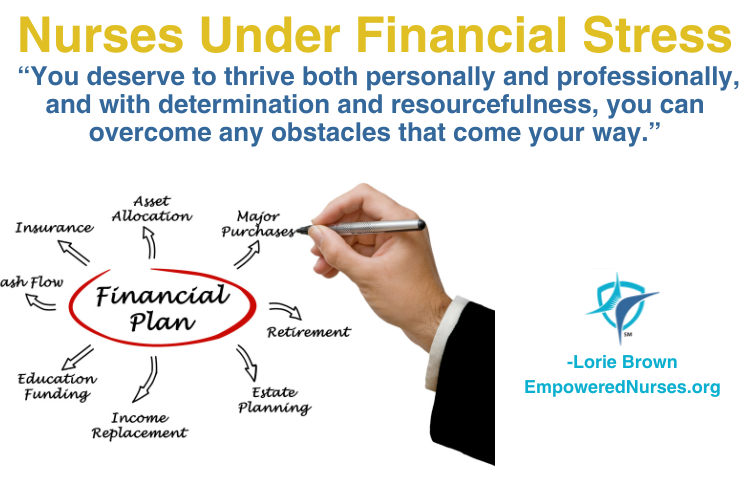
Recently, there have been 2 nurses on social media that discussed the financial difficulties. One of the nurses lives in his van which he revamped to include a bed, micro kitchen, toilet and solar on the roof. It is concerning that nurses have this level of stress when it comes to finances. Nurses are the hardest working people on the planet and should be paid accordingly.
There are practical steps you can take to navigate financial difficulties and regain a sense of stability. Here are some strategies to consider:
Assess Your Financial Situation: Start by taking a close look at your income, expenses, and debts. Understand where your money is going each month and identify areas where you may be able to cut back or make adjustments.
Create a Budget: Establishing a budget is crucial for managing your finances effectively. Allocate your income to cover essential expenses such as rent/mortgage, utilities, groceries, and transportation first. Then, prioritize debt repayment and savings goals. Be realistic about your spending habits and make sure your budget is sustainable in the long term.
Explore Additional Income Opportunities: Consider seeking supplemental sources of income to supplement your nurse’s salary. This could involve picking up extra shifts, freelancing in your field, or exploring alternative career paths that align with your skills and interests. Just be mindful of maintaining a healthy work-life balance and avoiding burnout.
Take Advantage of Benefits and Resources: Make sure you’re fully utilizing the benefits offered by your employer, such as health insurance, retirement plans, and employee assistance programs. Additionally, explore community resources and government assistance programs that may provide financial support or assistance with basic needs.
Prioritize Financial Goals: Set achievable financial goals that align with your priorities and values. Whether it’s building an emergency fund, paying off debt, or saving for a major expense, having clear objectives can help you stay motivated and focused on improving your financial situation.
Seek Financial Education and Support: Take advantage of financial literacy resources and educational opportunities to improve your understanding of personal finance. Consider attending workshops, reading books/articles, or seeking guidance from a financial advisor or counselor who can provide personalized advice and support.
Practice Self-Care and Mindfulness: It’s important to prioritize self-care and mental well-being, especially during times of financial stress. Find healthy ways to cope with anxiety and overwhelm, such as practicing mindfulness, exercising, spending time with loved ones, or engaging in hobbies and activities that bring you joy and fulfillment.
Remember, navigating financial challenges as a nurse requires patience, persistence, and resilience. By taking proactive steps to manage your finances and seeking support when needed, you can work towards achieving greater stability and peace of mind. You deserve to thrive both personally and professionally, and with determination and resourcefulness, you can overcome any obstacles that come your way.
When I first started my business, I could not afford to hire anyone to help with the administrative aspects of running a business. Once I was able to grow, I hired part time assistants. They would work for maybe a year to a year and a half and then they would move on. This happened over and over and it was hard to find part time help.
Almost 12 years ago, my part time assistant was going to start her clinicals in school and gave two weeks notice. In my solemn, I went to have breakfast at a place up the street. I knew the server, Amanda because I ate there frequently. Amanda took one look at me and asked “what’s wrong?” I told her the situation and asked if she knew anyone. She said she was looking but wanted full time. I looked at her and wondered how can this 18 year old help me and my LNC business. Then I looked at all the tables she served. Everyone looked happy with their order and their glasses were full. I thought if she can manage this group of people, she could certainly help me manage my cases. I had no idea how I would pay her. I worried with paying her first, there may not be money left for me. However, I spoke to my coach and she said if you have a part time mentality, you will have a part time business. She also gave me the best advise ever. She said make decisions from where you want to be, not where you are. If you make decisions from where you are such as I can’t afford it, you will stay in the same place.
I took a chance on Amanda and it was the best decision I ever made. I am thankful for her daily as we grew my business together. So now, my motto is Be the CEO of your Business. Now when I need to make decisions in my business, I ask what would a CEO like Jeff Bezos do? When you make decisions as the CEO and focus on expansion, your business will grow.
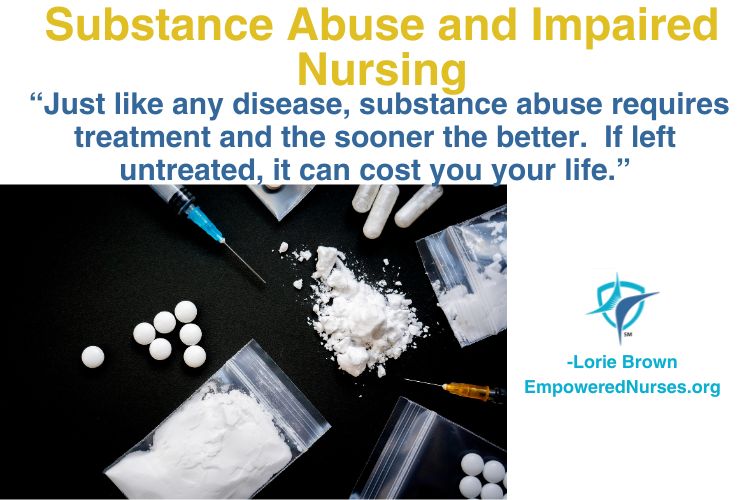
I don’t think any nurse wakes up in the morning and says I want to do drugs or get drunk today. I believe substance abuse is a disease. The part of the brain affected creates such a craving that the person will lie or do things uncharacteristically to get their drug of choice. Many nurses say “well I don’t use substances before I go to work or at work.” Because substance abuse is a disease, if left untreated, it can get out of hand. The Board does not know when you are using substances and it really does not matter. The Board does not want a nurse to use controlled substances.
Imagine a Norco is missing and a nurse has a prescription for Norco for chronic pain. She is asked to take a drug screen and low and behold it is positive for opiates. How does the employer or the Board for that matter know the medication was from your prescription?
You worked too hard for your license. If you need help, most states have peer assistance programs. However, when you go to one of these programs, watch what you are signing. In Indiana, when you contact the program to get evaluated, they send you a bunch of consents. One is to release information to the Attorney General’s Office and the other is to release information to the Board of Nursing. Please do not sign these. If something happens and you choose not to go into the program or are not compliant with the program, you just gave them permission to report you to the Board. Check out your Employee Assistance Program (EAP) as help is available there too.
I am not sharing this to dissuade you from getting the help you need. Just like any disease, substance abuse requires treatment and the sooner the better. If left untreated, it can cost you your life.
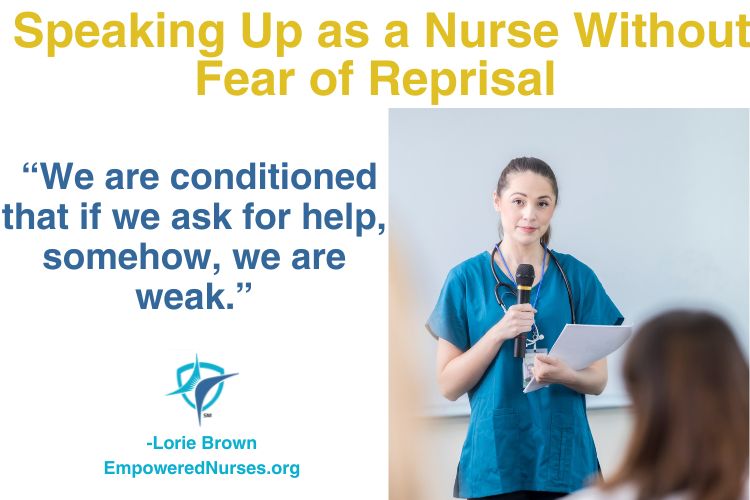
As nurses, we feel like we have to do everything ourselves. We are conditioned that if we ask for help, somehow, we are weak. We are also conditioned that if we speak up, we will get in trouble and some of us may not be conditioned but have a fear of speaking up.
In the dynamic and challenging world of healthcare, nurses play a crucial role in patient care. While our primary focus is on the well-being of their patients, there are instances where speaking up becomes essential for the betterment of the healthcare environment. However, the fear of retaliation or termination can be a significant barrier. Guidance on how nurses can effectively voice their concerns without jeopardizing their careers.
Know Your Rights: Before taking any steps, it’s crucial to understand your rights as a nurse. Familiarize yourself with the policies and procedures of your healthcare institution regarding reporting concerns. This knowledge will empower you to navigate the process confidently.
Choose the Right Time and Place: Timing is crucial when it comes to expressing concerns. Find an appropriate time and place to discuss your issues with the relevant individuals. It’s essential to ensure that the conversation won’t disrupt patient care and can be conducted in a private and confidential setting.
Pick your Battles: if what you want communicate is not going to serve a purpose, ask yourself is it worthwhile to share.
Use Constructive Communication: When speaking up, focus on constructive communication. Clearly articulate your concerns, providing specific details and examples. Avoid accusatory language and instead emphasize your commitment to patient safety and the overall well-being of the healthcare team.
Bring Solutions: don’t complain but give your suggestions for improvement.
Document Everything: Keep a detailed record of the incidents or concerns you wish to address. Documenting dates, times, and specific details will not only strengthen your case but also serve as a reference in case of any disputes. Make sure to maintain confidentiality while documenting sensitive information.
Engage in Open Dialogue: Encourage open dialogue by actively listening to the perspectives of others. Engage in a respectful conversation that fosters a collaborative approach to problem-solving. Being receptive to feedback and suggestions can contribute to a more positive resolution.
Involve the Chain of Command: Follow the established chain of command within your healthcare institution. Start by addressing your concerns with your immediate supervisor or manager. If the issue persists, escalate it to higher levels of management, ensuring that you adhere to the proper reporting channels.
Seek Support: Speaking up can be emotionally challenging, and it’s essential to seek support from colleagues, mentors, or professional organizations. Having a support system can provide guidance, reassurance, and validation of your concerns.
Create a win-win: Your solution should create a win-win for you and your healthcare institution.
Familiarize Yourself with Whistleblower Protection Laws: Be aware of whistleblower protection laws that may apply in your jurisdiction. Understanding these laws can provide you with additional reassurance and protection as you navigate the process of raising concerns.
Speaking up as a nurse is not only your right but also your responsibility to ensure the highest standards of patient care. By approaching the situation with professionalism, using constructive communication, and following established procedures, nurses can voice their concerns without fear of termination. It’s a collective effort to create a healthcare environment that prioritizes patient safety and the well-being of the entire healthcare team.